Small business
How AI Helps Small Businesses Turn More Messages Into Customers
For a small business, every customer conversation matters. A message asking about a price, appointment, product, room, service, or delivery may look simple, but it can be the beginning of a sale.
The problem is that small teams cannot always answer every message immediately.
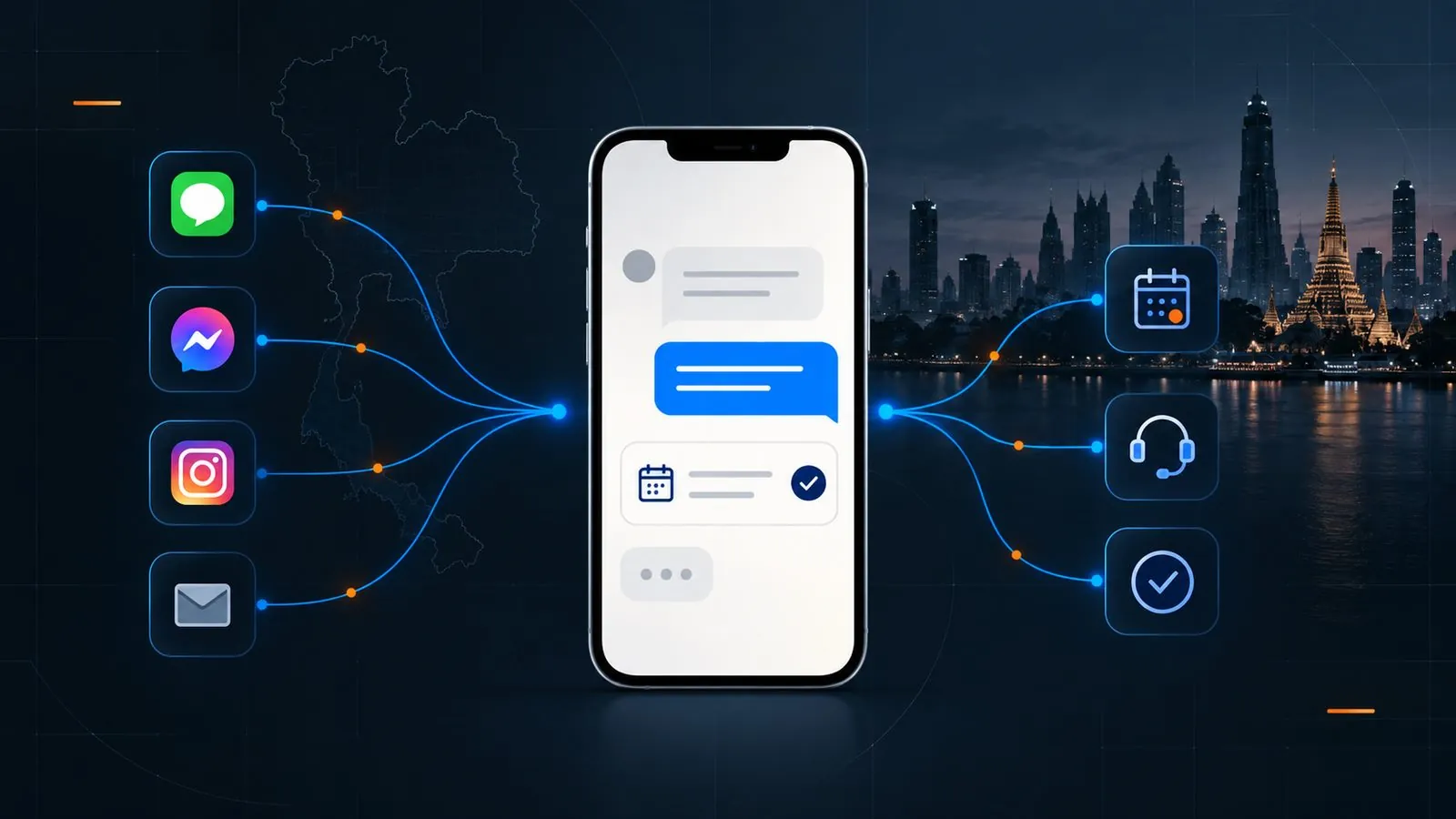
Customers now contact businesses through LINE, Facebook Messenger, Instagram, TikTok, websites, ecommerce platforms, and other channels. When those conversations are spread across several places, opportunities are easy to miss.
AI customer service tools can help small businesses respond faster, stay organized, and turn more everyday conversations into real customers.
1. Every Message Is a Potential Customer
Most customers do not begin by saying they are ready to buy. They usually start with a simple question: “How much does this cost?”, “Do you have an appointment tomorrow?”, “Is this available in size M?”, or “Can I check in early?”
These questions are buying signals. The customer is already interested enough to contact the business, and what happens next can determine whether the conversation becomes a sale.
The problem is not that each question is difficult. The problem is that the questions never stop. A customer asking for opening hours might only require a 20-second reply. Multiply that across hundreds of conversations every month, and it becomes a significant amount of work.
AI customer service tools can help make sure these first questions receive an immediate response instead of sitting unanswered while employees are busy helping customers, preparing orders, or completing other work.
2. Fast Replies Keep Customers Engaged
Customers often contact several businesses before making a decision. If one company responds immediately while another takes several hours, the customer may have already moved on.
Fast service does not mean sending long or complicated answers. Most customers simply need basic information such as opening hours, prices, availability, location, services, delivery information, or booking options.
An AI receptionist can answer these common questions instantly and keep the conversation moving. This allows a business to stay responsive even when employees are away from the desk, helping someone in person, or finished for the day. The customer receives an answer and the business keeps the opportunity alive.
3. AI Can Turn Questions Into Action
Answering a customer question is useful, but helping the customer take the next step is even more valuable.
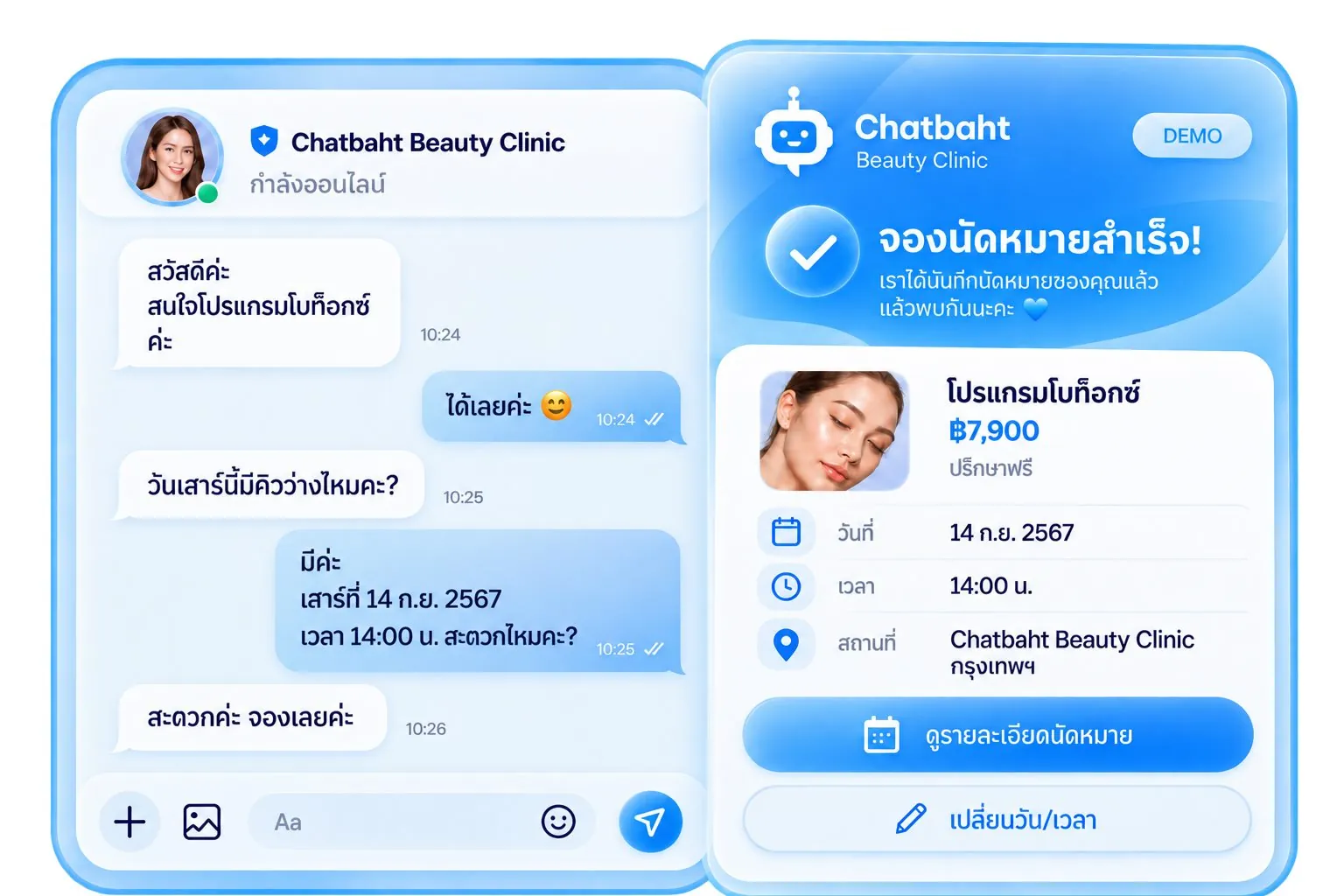
Imagine someone asking a beauty clinic if appointments are available on Saturday. Instead of simply replying with operating hours, an AI receptionist can guide the customer through choosing a service, selecting an available time, providing contact information, and confirming the appointment.
The same idea can work for hotels, salons, dentists, repair companies, ecommerce stores, and other service businesses. A hotel inquiry can become a booking request, a product question can become an order, and a clinic message can become a confirmed appointment.
The conversation stops being only customer support and becomes part of the sales process.
4. Repetitive Questions Take More Time Than Businesses Realize
A large amount of customer service work is not difficult; it is repetitive. Businesses answer the same questions every day:
- What time do you close?
- Where are you located?
- What does this service cost?
- Do you have availability?
- When will my order arrive?
- Can I pay by PromptPay?
Each question may only require a minute or two, but hundreds of similar conversations can consume many hours every month.
AI is particularly useful for this type of work because it can provide consistent answers based on information supplied by the business. Employees then spend less time repeating basic information and more time assisting customers who have complicated questions, special requests, complaints, or situations that genuinely require human judgment.
5. One System Can Keep Customer Conversations Organized
Small businesses now receive messages from many different places. A customer may contact the business through LINE today, Facebook Messenger tomorrow, and Instagram the following week. Ecommerce businesses may also receive questions through TikTok Shop, Shopee, Lazada, and their own websites.
Without a clear system, conversations can become scattered and messages can be forgotten.
AI customer service systems can help organize these inquiries into a more manageable workflow. Common questions can be answered automatically, booking requests can be identified, customer information can be collected, and conversations that require staff attention can be handed over to the right person.
The goal is not simply to send automatic replies, but to make communication easier for both customers and employees.
6. AI Allows Small Teams to Provide Longer Service Hours
Customers do not always contact businesses during normal working hours. Someone may research a clinic at 11 PM, browse products after putting their children to bed, or contact a hotel from another country and time zone.
A small business cannot realistically keep employees online twenty-four hours a day, but AI can continue handling basic conversations when staff are unavailable. It can answer common questions, explain services, collect customer details, start a booking, or prepare a request for employees to follow up on later.
This gives a small company a much wider customer-service window without requiring a much larger team. Human staff remain important, but they can begin their working day with customer information already collected instead of starting every conversation from zero.
7. Better Conversations Can Create More Customers
The real value of AI customer service is not the technology itself; it is the customer experience it helps create.
Faster replies mean fewer customers waiting. Organized conversations mean fewer opportunities are missed. Automated booking reduces the number of steps between interest and action. Consistent information makes the business easier to deal with, while human employees have more time for customers who genuinely need personal attention.
For small businesses, this combination can make customer service feel much larger than the team behind it. A company does not need hundreds of employees to provide a fast, organized and professional experience. It simply needs a better way to manage the customer conversations it is already receiving.
8. The Real Advantage Is a Better Customer Experience
Customers may never care whether a business uses AI. They care about what happens when they contact the business. Did someone answer? Was the information correct? Was booking easy? Did they have to repeat themselves? Did the business remember what they wanted?
That is where AI receptionists become useful. The technology can sit quietly behind the customer experience, handling repetitive work and making communication faster and more organized.
For small businesses in Thailand, that can mean fewer missed messages, easier bookings, less pressure on employees, and more time spent serving customers.
The most effective AI systems may eventually become almost invisible. Customers will simply experience a business that responds quickly and is easier to deal with.
Want to see it working? See how Chatbaht works, browse the features, or try the free demo.